
The Brother Wound
Reclaiming Erotic Innocence Among Queer Men
By Alessandro Rōz
The manosphere is recruiting millions of young men with promises of dominance and control. Rape culture is being exposed at every level of power. Men are lonelier than at any point in recorded history. And even within our own movement, a growing faction is working to sever the L, G, and B from the T and the Q, arguing that conformity to heteronormative standards is the price of acceptance. In 2025, LGB groups from several countries launched LGB International, declaring independence from what they called the "trans and queer movement." The message is clear: be gay, but be normal. Be respectable. Don't be too queer.
This is the logical end of a trajectory that replaced the radical politics of gay liberation with the pursuit of marriage, military service, and market share, a trajectory that scholars have called homonormativity: conformity to heterosexual norms as the price of conditional acceptance. And what gets lost in that bargain is the very thing that makes us dangerous and necessary. Our capacity to hold paradox, to live between categories, to embody forms of love and kinship and erotic life that don't reduce to the nuclear family or the marketplace. When we separate sexuality from spirituality, when we disconnect desire from its sacred roots in order to be palatable, we don't just lose ourselves. We lose the medicine we were born to carry.
In every traditional society on earth, there were people who held the function of teaching men how to love.
They were the erotic priests, the bridge walkers, the ones who could see with both eyes at once. They taught the art of eros not as consumption but as communion, and they tended the balance between masculine and feminine in the culture itself.
Colonization removed us from our function. And the results are everywhere: men who cannot touch each other without violence, who cannot grieve, who cannot be tender, who have no model for what love between men looks like when it is not filtered through shame. And so they wage war against each other, they rape, they pillage the Earth.
And inside our own community, this wound has shaped a culture where hookup apps have become the only available possibility for closeness, where objectification took root where brotherhood and connection should have grown, where men who choose to walk away from the scene find themselves in a wilderness with no third space between transaction and isolation. And the ones searching for spiritual meaning get often lost in an ocean of new-age, extractive circles that lack real lineage and roots.
I hear from these men every day: they desire something different but they have no idea where to find it. I know because I was one of them. I spent a decade as a gay actor in Hollywood, performing a version of myself I thought would earn love, surrounded by a culture that commodified beauty and punished vulnerability. I left to sit with indigenous teachers in the Amazon, where I began to see how deep the wound really goes, how much of what I thought was mine was inherited. I spent three years inside men's work led by straight men, and I saw both its power and its ceiling. We are on the cusp of a turning, as the systems collapse, new ancient ways are being remembered. And it's up to us, the ones who have been practicing love, to prepare to welcome this new wave of awakening queer men ready to dream with the Earth again, and to reclaim our divine role together.
The Brother Wound: Reclaiming Erotic Innocence Among Queer Men
Personal story, teaching, and live somatic practice
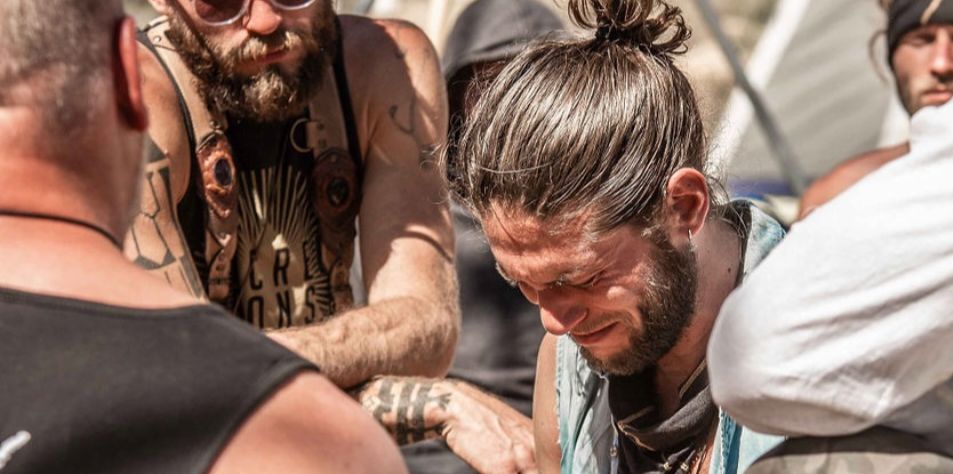
The brother wound, as I define it, is the severing of men's capacity to love one another. For straight men it looks like emotional isolation, touch deprivation, the inability to be vulnerable with another man without the frame of competition or violence or fearing the specter of the fag, being identified as gay and losing status. For queer men it comes from the same root but takes a different shape: we learned desire before we learned to feel safe in our desire, and so we learned to close our hearts before we ever got to open them fully, and then we built a culture around this wounding.
That closing of the heart didn't happen in a vacuum. Colonization severed indigenous peoples from the cultural frameworks that once honored queer roles in community and replaced them with a binary that cast queerness as sin, sickness, or crime. Capitalism then commodified desire itself, turning eros into something to be consumed and optimized rather than something sacred to be tended in relationship. These forces didn't just target us from the outside, they also reorganized our interior lives, teaching us to split sexuality from spirituality, to treat our desire as the one part of ourselves that could never be holy. And that split is the root of the brother wound as it lives between queer men today: we live in a cult of desire without innocence, sex without ritual, visibility without depth, and that's costing us much more than just our well being.
That innocence didn't die. We buried it.
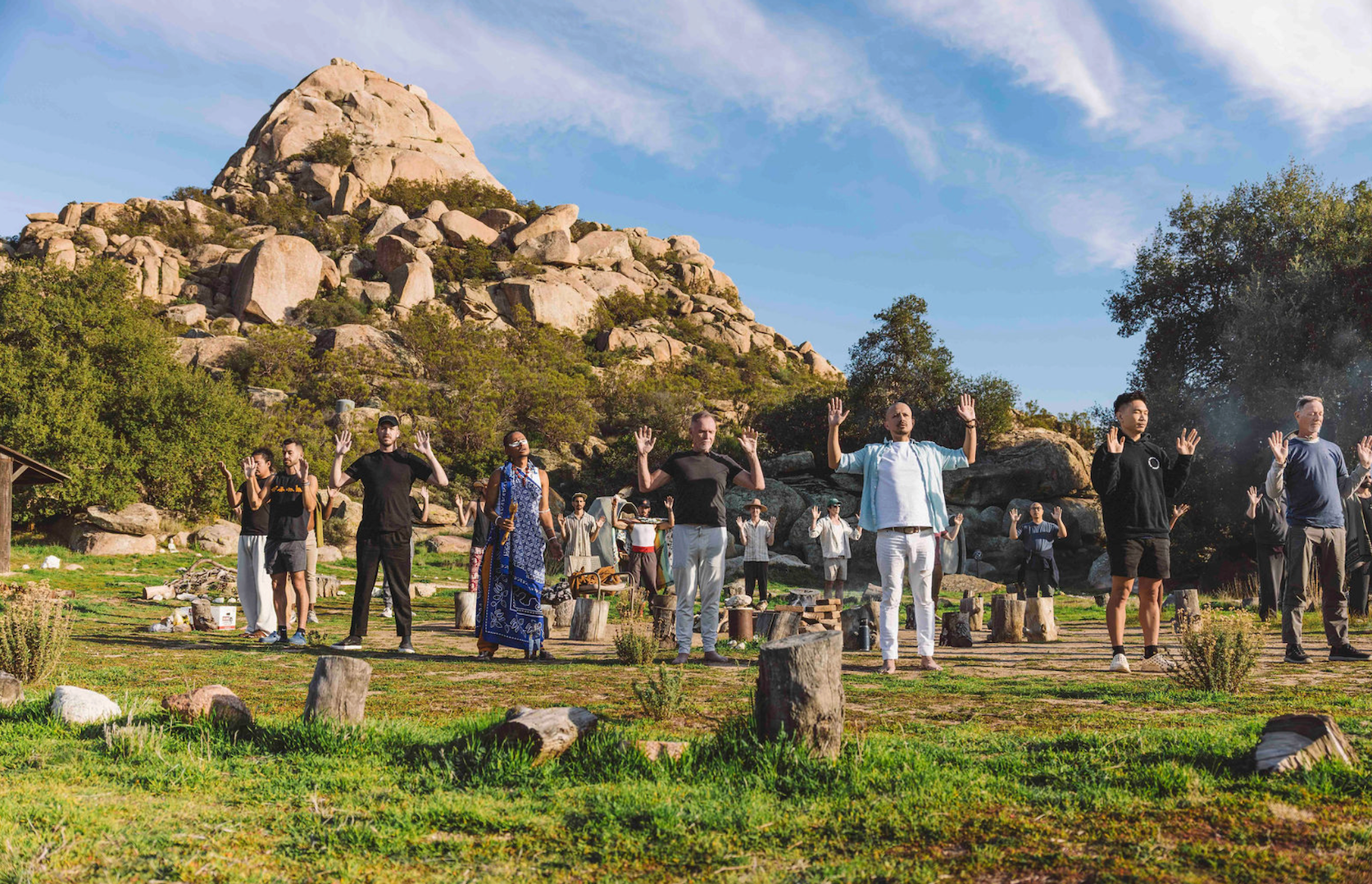
This keynote asks what becomes possible when we commit to a culture of repair among ourselves as queer and gay men. I will speak on erotic innocence, which I understand as the state that existed before we learned to be ashamed of wanting closeness with another man, and before we learned the predatory ways that are rampant in mainstream gay culture. Recovering it is not a psychological project alone but a return to our original function in the web of life: tending the balance, teaching the art of love, walking between worlds so that the whole community can be in right relationship with itself.
We are not starting from nothing. There is a rich lineage of queer men who understood this, from Harry Hay and the Mattachine Society to the Radical Faeries to the human potential movement and the communities that grew from them. I sense that many of the men at GSV carry that lineage in their bodies. What I believe has been lost is the intergenerational bridge, the living transmission between those elders and the younger men now arriving hungry for meaning, often with no knowledge that these traditions even exist. I certainly didn't until just a few years ago. Part of what we are called to do is rebuild that bridge, to honor what came before while meeting this moment with the urgency it demands, allowing the youth to teach us the needs of the times.
But we cannot reclaim erotic innocence inside the same frameworks that destroyed it. The work Langston and I are building together through Brotherhood of Lovers is rooted in an animist understanding of the world that predates and refuses the colonial separation of body from spirit, of desire from the sacred, of the human from the more-than-human. We cannot do this work without Spirit, without right relationship with our queer ancestors, the land, the elements, and the living world that has been waiting for us to remember what we are for.
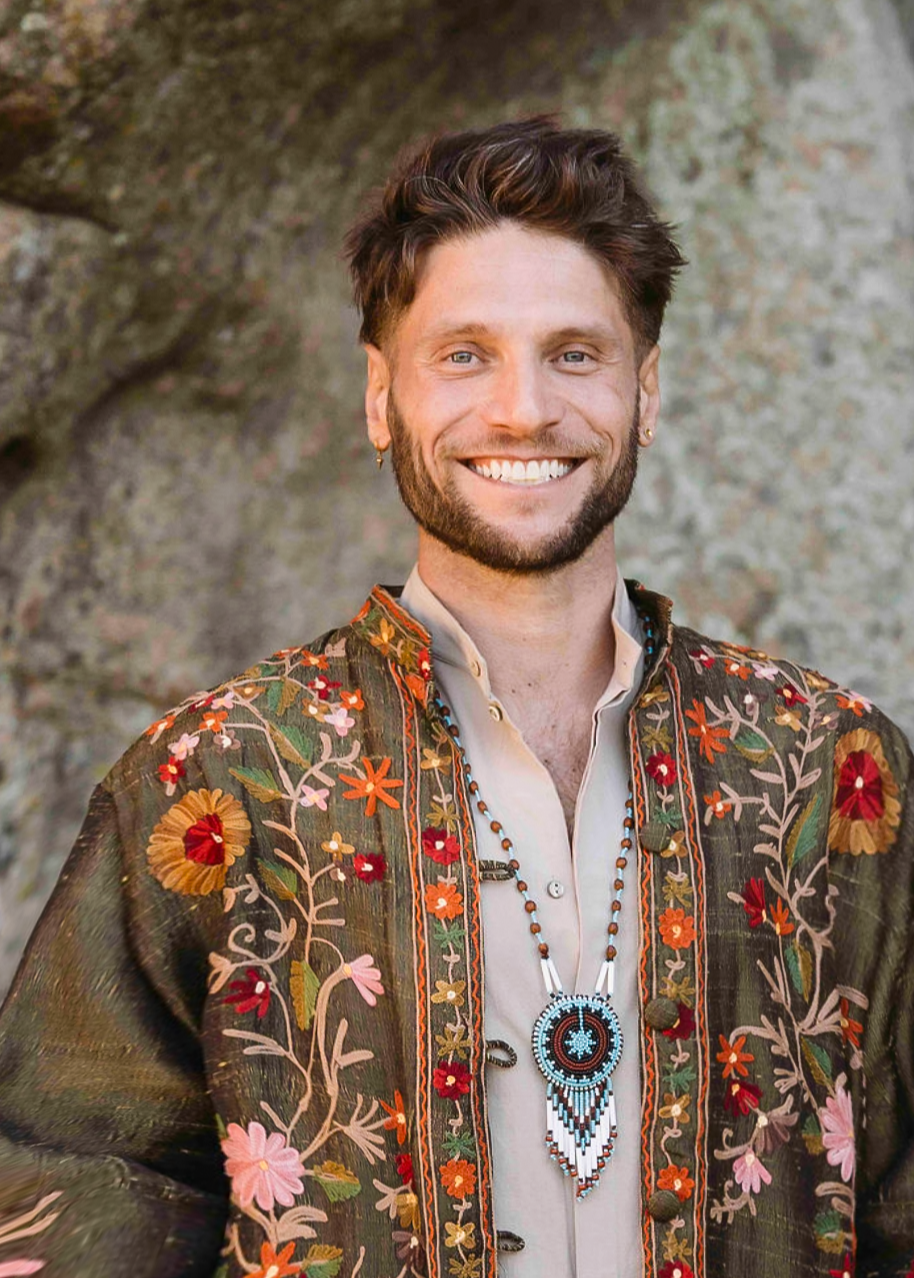
Alessandro Rōz
Ceremonialist, Queer Men's Guide, Emmy-Nominated Filmmaker
I am a ceremonialist, a queer men's guide, and an Emmy-nominated filmmaker. I am a student of Shipibo, Mestizo, and Ashaninka teachers in Peru, and I've spent three years as Community Director at Sacred Sons, an international men's work organization attended and led primarily by straight men. That experience taught me what men's work can do, and also showed me clearly what it was missing. I left because I understood that men's work without queer leadership at the center will always be incomplete.
My work lives at the intersection of queerness, spirituality, and the erotic. I use Internal Family Systems, somatic shadowwork, mirror work, erotic and ceremonial practice to help men reclaim innocence, desire, belonging, and the capacity to be fully seen by another man. My recent writing on the brother wound has reached audiences far beyond the queer community, drawing straight men, mothers of sons, practitioners, and allies who recognize that this wound belongs to everyone.
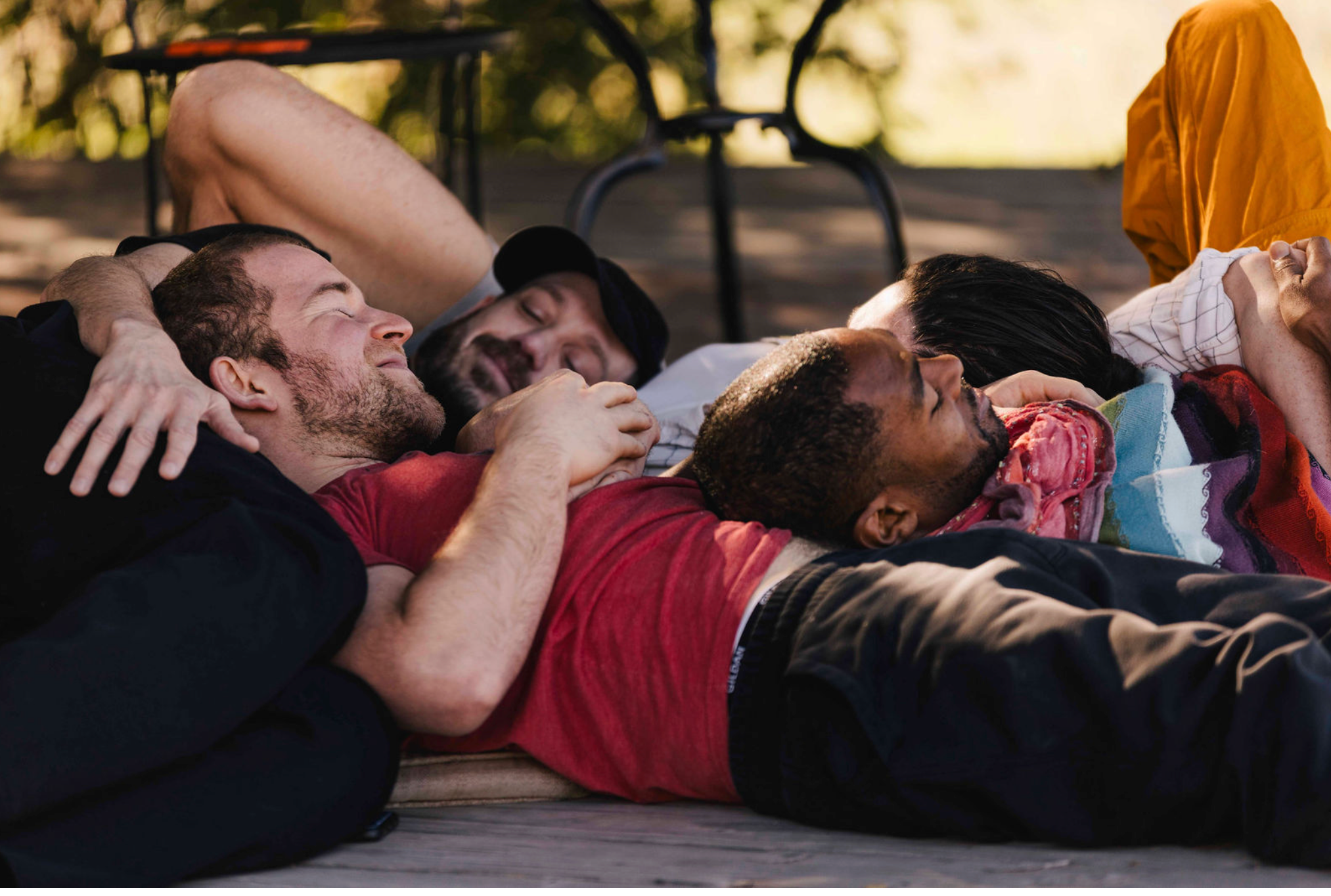
Together with Langston Kahn and Jovanny Perez, I co-founded Brotherhood of Lovers, a queer-led mystery school and community devoted to awakening queer men to their unique medicine through ritual, brotherhood, and initiation. We held our first ceremonial gathering in January 2026 and are building programming across the US and internationally. We build intentionally across race, class, age, and experience.
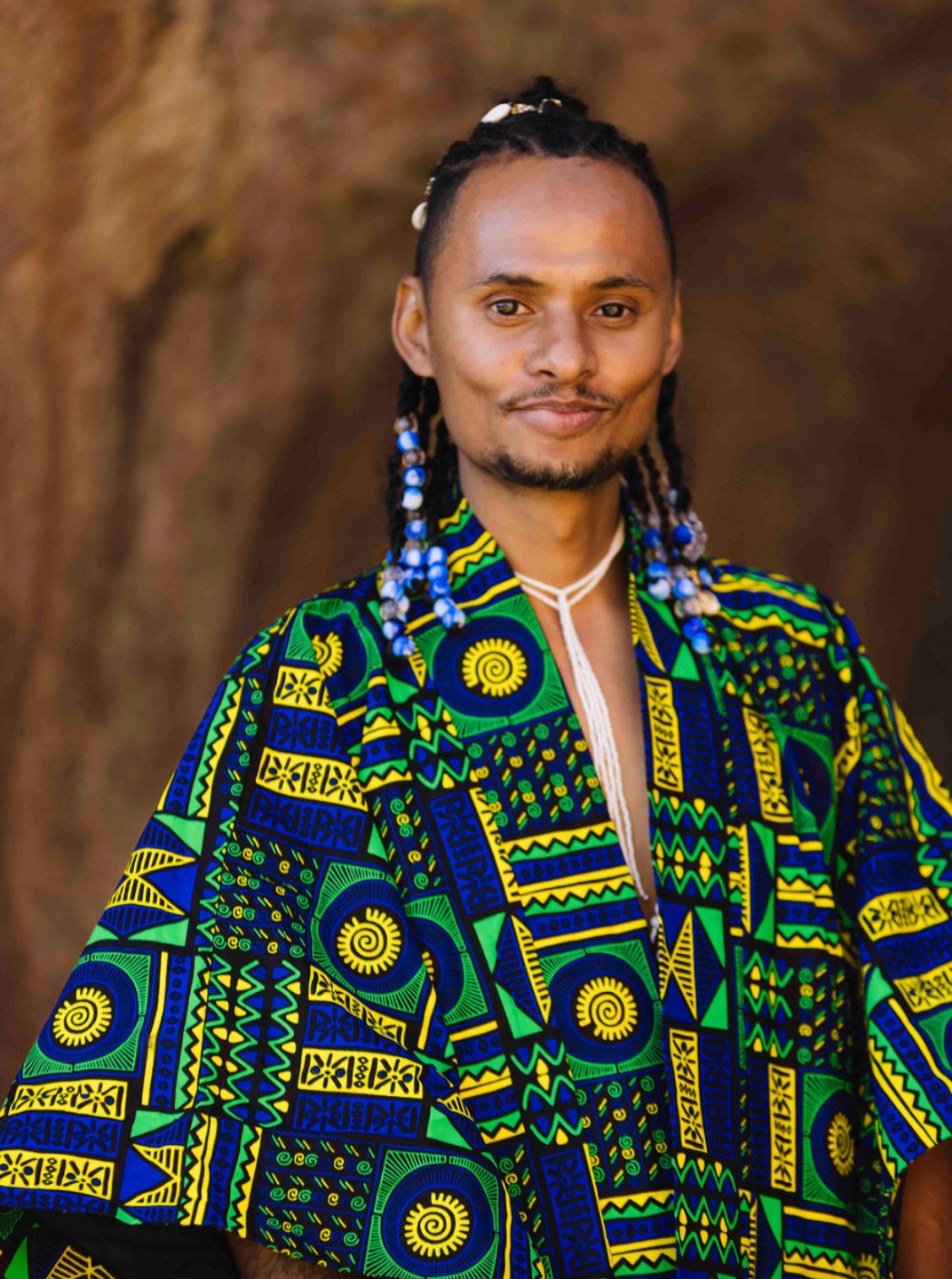
Langston Kahn
Shamanic Practitioner, Teacher, Author
I would love for Langston Kahn to join me at GSV to offer workshops alongside the keynote. Langston is a Black, queer shamanic practitioner and teacher who specializes in radical human transformation, ancestral healing, and restoring an authentic relationship with our emotions. His practice stands at the crossroads of somatic modalities, contemporary shamanic traditions, and initiations into traditions of the African diaspora. He has co-led the Cycle Community for the last decade, served on the leadership council of the Last Mask Community, and is the author of Deep Liberation: Shamanic Tools for Reclaiming Wholeness in a Culture of Trauma. He is a co-founder of Brotherhood of Lovers and one of the people I trust most to hold space at the intersection of queer medicine, ancestral healing, and embodied practice.

The brother wound belongs to all of us. So does its healing.